Christian Andersson
Mother Tongue
At the beginning of the twentieth century, Auguste Rodin engaged the young, penniless Rainer Maria Rilke as his secretary; months of mentorship and admiration followed. From them came Rilke's epiphany about sculpture: "There is only one single surface which suffers a thousand changes and transformations". A remark about modelling turns into something closer to cosmology – for a moment, he adds, it was possible to think the whole world under this idea. A century on, surface is still the condition we live in and take at face value, and sculpture one of the few things able to interrupt it. In Mother Tongue, Christian Andersson (b. 1973) stages three scenarios in which our one-surface reading of the world is tested.
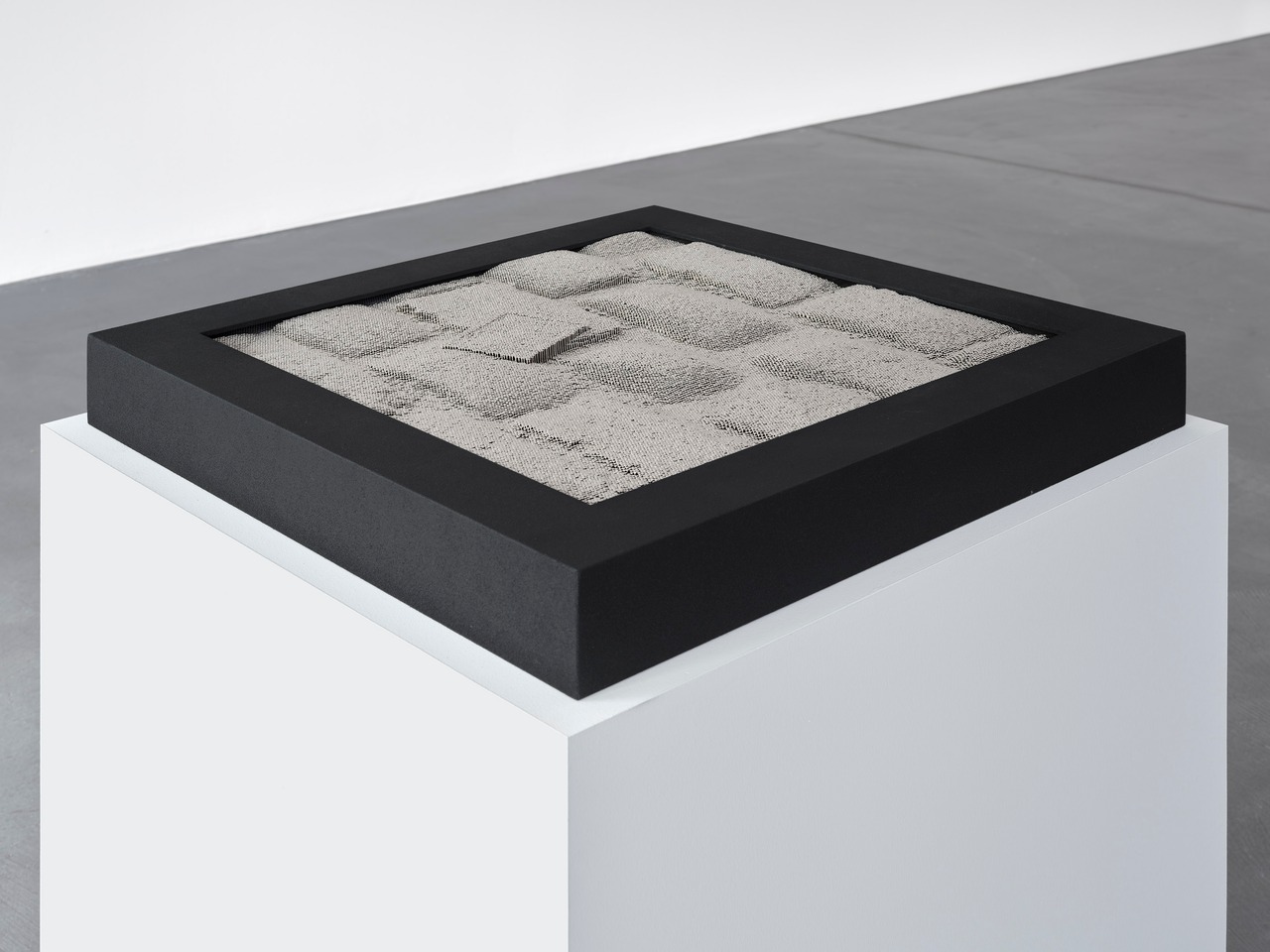
Polaroid (2026) redesigns a nostalgia-ridden photographic technique for archival longevity: the analog memory of a picture rebuilt as a relief of nails. But the method contradicts the intention. It recalls the pin-impression toy, where a face held for a moment before a single sweep returned the surface to blank. The image is fixed in time and space and undoable at once, and the motif is in any case lost in the transfer – what remains is a picture without an image, swallowed by the ghost in the machine.
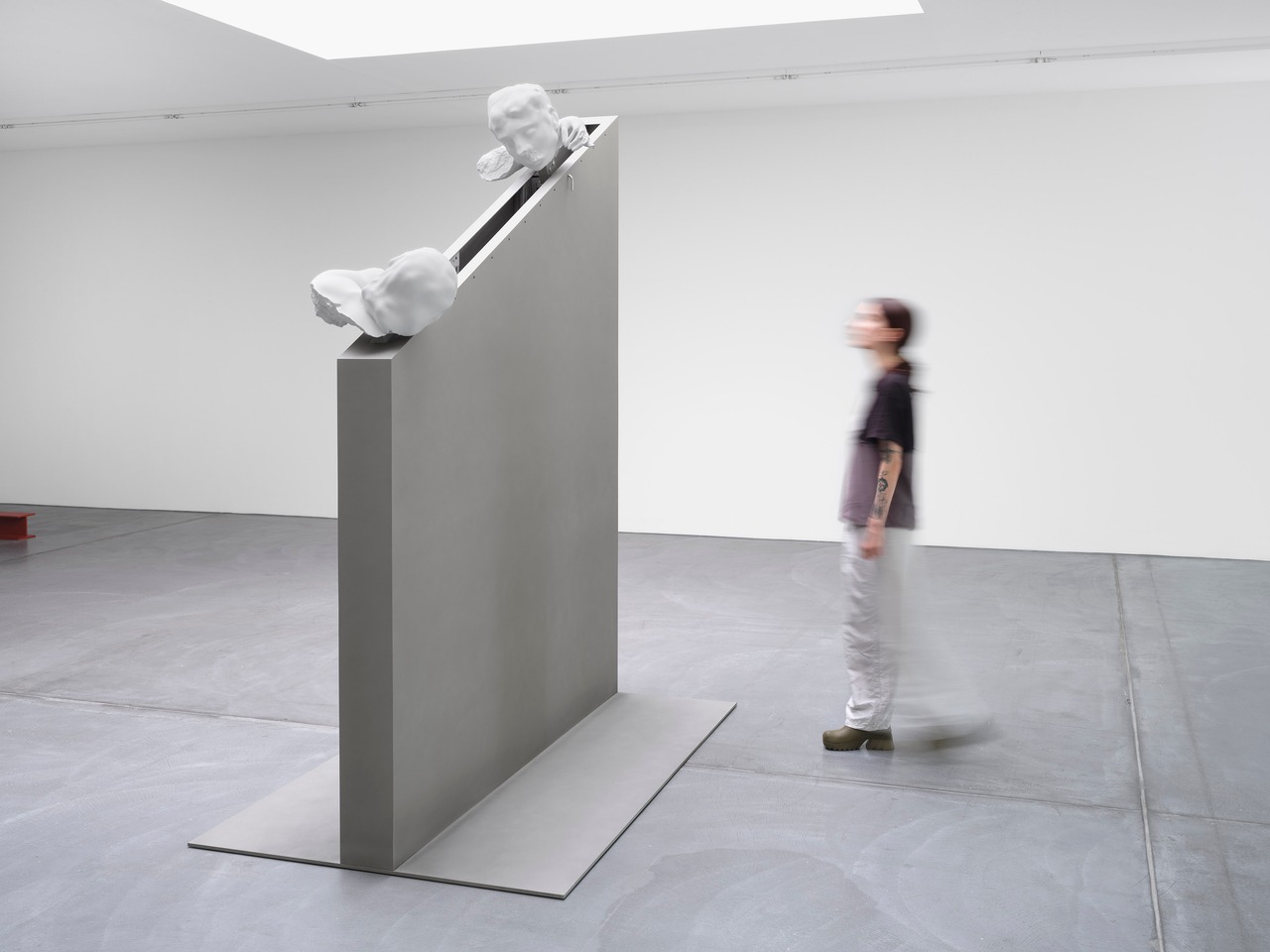
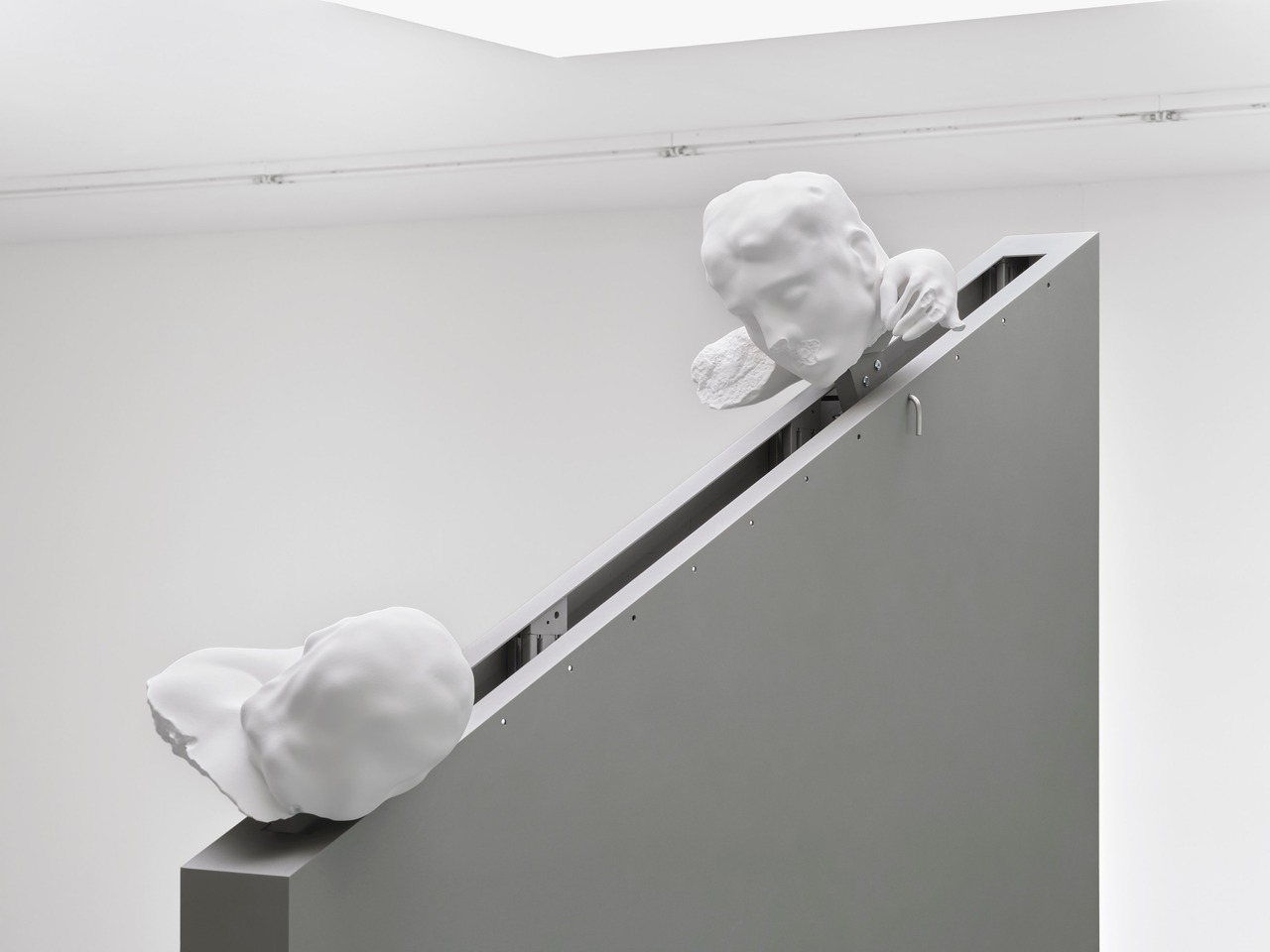
Sculpture makes time stand still: the viewer moves through time and space while the work stays behind, held in its materiality. For Mother Tongue (2026), Andersson takes a fragment of Rodin's The Kiss and treats it as a fading memory of the original. In a machine seemingly built to reunite surfaces once torn apart, he assembles a collider for sculpture and for history. We can picture the instant the two separated parts meet again, and the catastrophe that must follow: the sculpture held in a quantum state of three realms at once — separated, unified, obliterated.
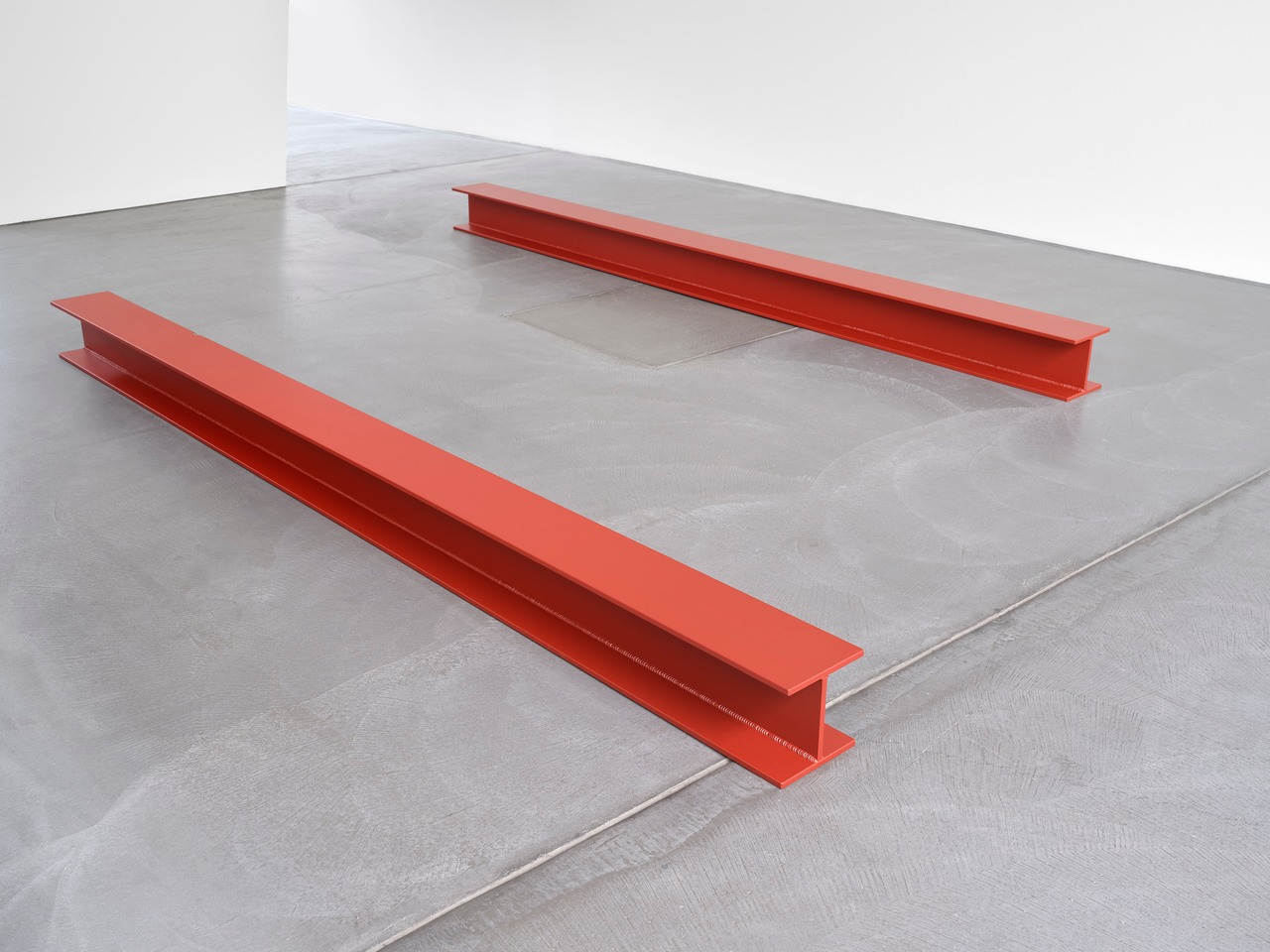
Beams (2026) follows the aesthetics of classical modernist sculpture: minimal, materialist, masculine. But what trust can we place in an I-beam stripped of its architectural skin and its purpose? A wound of sorts tips the structure into trompe l'œil. Measured against our preconceptions of what they ought to be, these beams remember themselves incorrectly, exposing the fragility of our interpretations routinely deny an object.
A mother tongue is the language you receive before you are able to choose it, and it survives only by being passed on and (mis)remembered. Andersson grants sculpture the same condition. What we took for permanence turns out to be an imprint, one sweep away from being wiped and pressed again.
Public Opening: Friday, August 28, 2026, from 5 to 8 pm
Extended Opening Hours for Kunsttage Basel: Fri, August 28, 2026, 11 am to 8 pm; Sat, August 29, 2026, 11 am to 6 pm; Sun, August 30, 2026, 11 am to 4 pm