Francisco Sierra
Bijna een vlinder
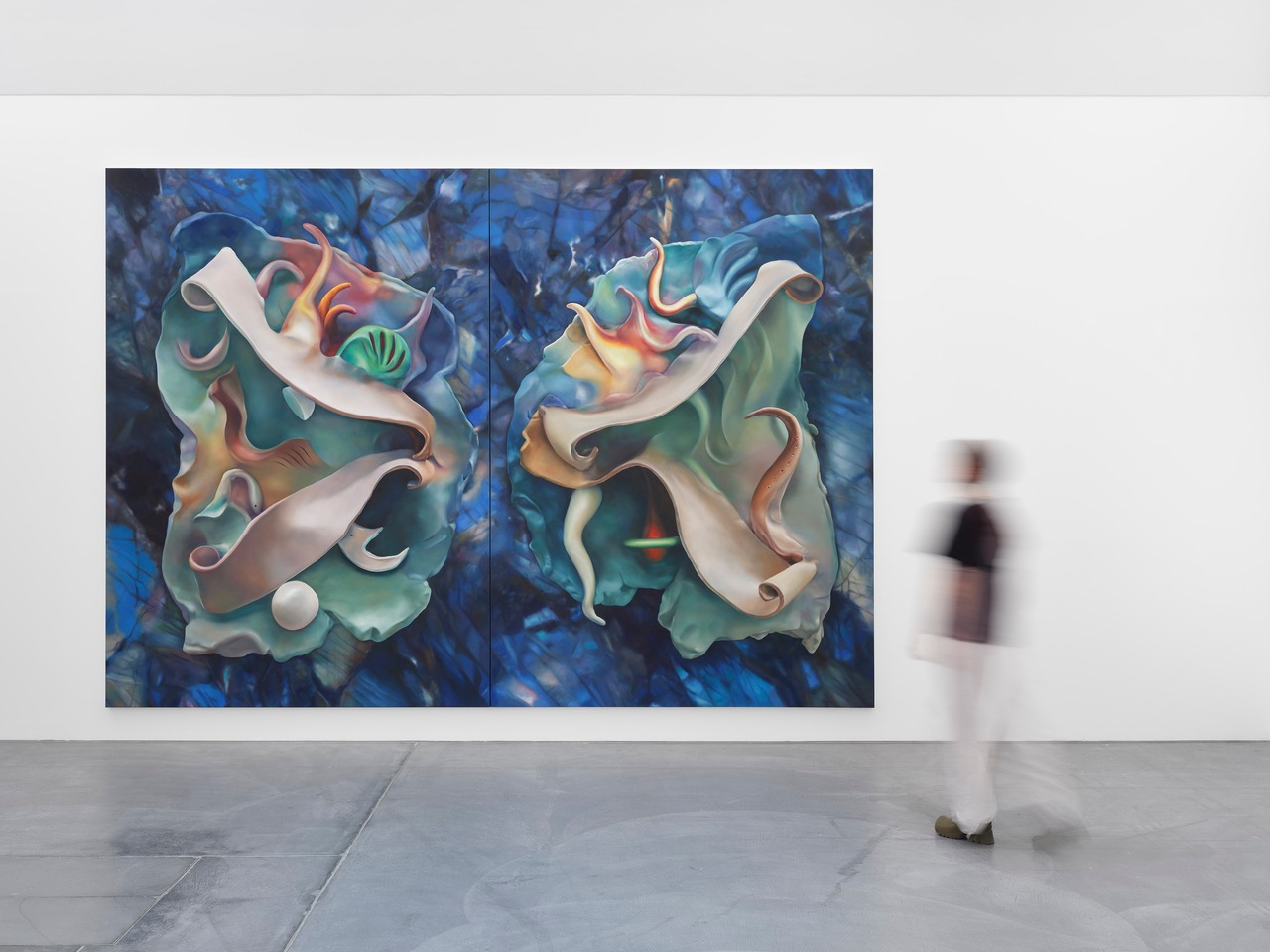
Francisco Sierra’s creative process can be compared to the life cycle of a butterfly: From the initial inspiration to the finished work, his ideas go through various stages and take on different forms along the way. In his studio on Lake Murten, sketches and modeled clay miniatures populate the atelier like cocoons of hatched butterflies. At times, Sierra also uses photography to experiment with lighting conditions. With each step, his motifs emerge more clearly until the oil paintings or pencil drawings finally take shape.
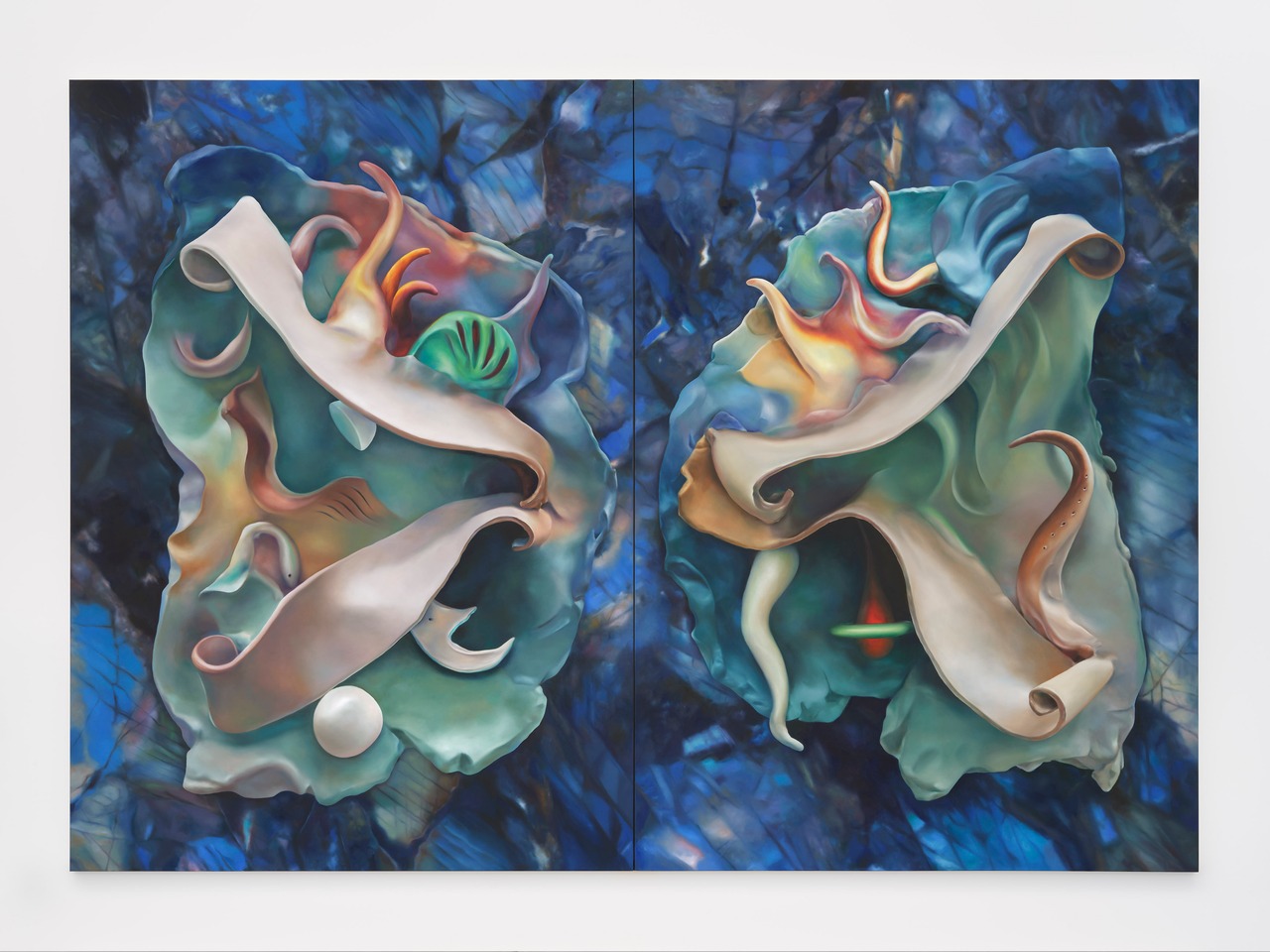
With his exhibition Bijna een vlinder (Almost a Butterfly), the artist, who lives and works in Cotterd, Switzerland, presents all new paintings and drawings. In these works, he partly breaks new ground and takes risks by allowing an unexpected seriousness, engaging more deeply with the question of what painting or analog art in general can still achieve today.
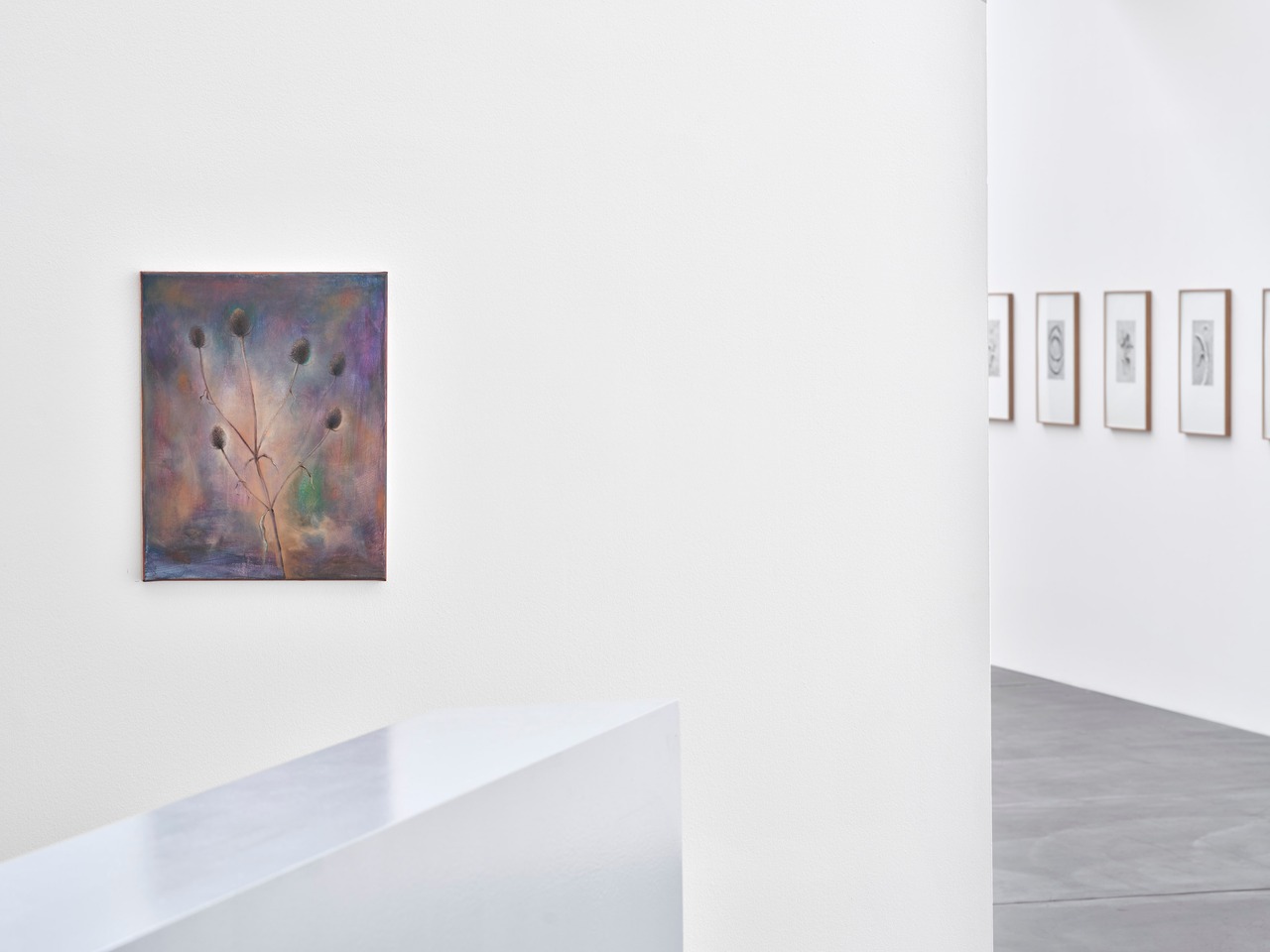
Take, for example, Common Teasel, a work whose colorful background is typical of Sierra, albeit painted somewhat more wildly than usual. The motif, however, a dry thistle against the light, does without his familiar humor or surreal twist. The result is neither the depiction of an idea, nor a riddle or a punchline, but a genuine, unique moment that exists only in the act of viewing the work.
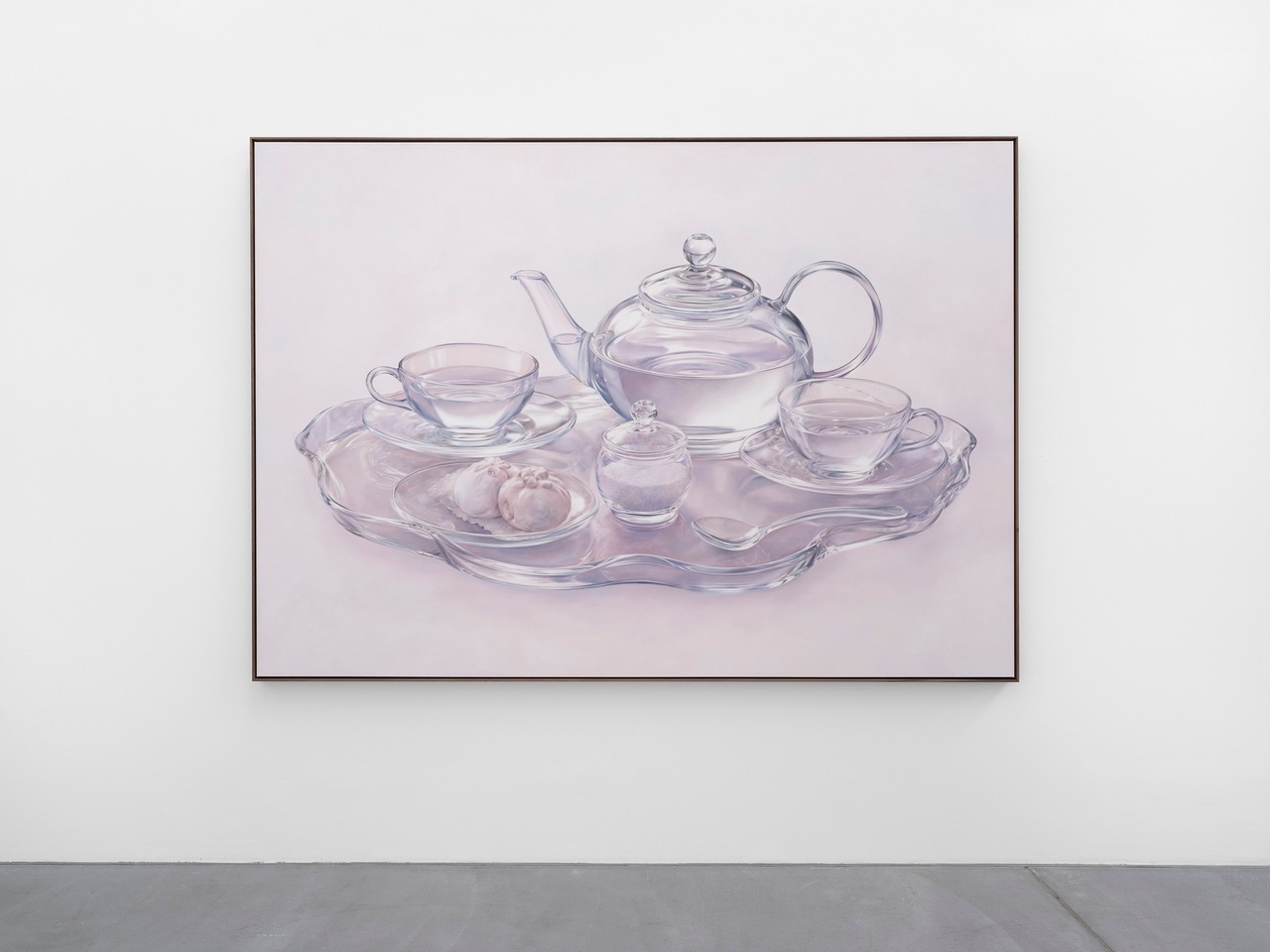
De Doorkijk (The View Through), with its glass vessels and liquids, creates the impression of an ostensible reality. Crafted with striking precision, the motif seems as if it must exist in reality: How else could this play of reflections be created? Here, Sierra revisits his long-standing series of Tea-set universes and explores the relationship between fantasy and reality even more poignantly than in his earlier works.
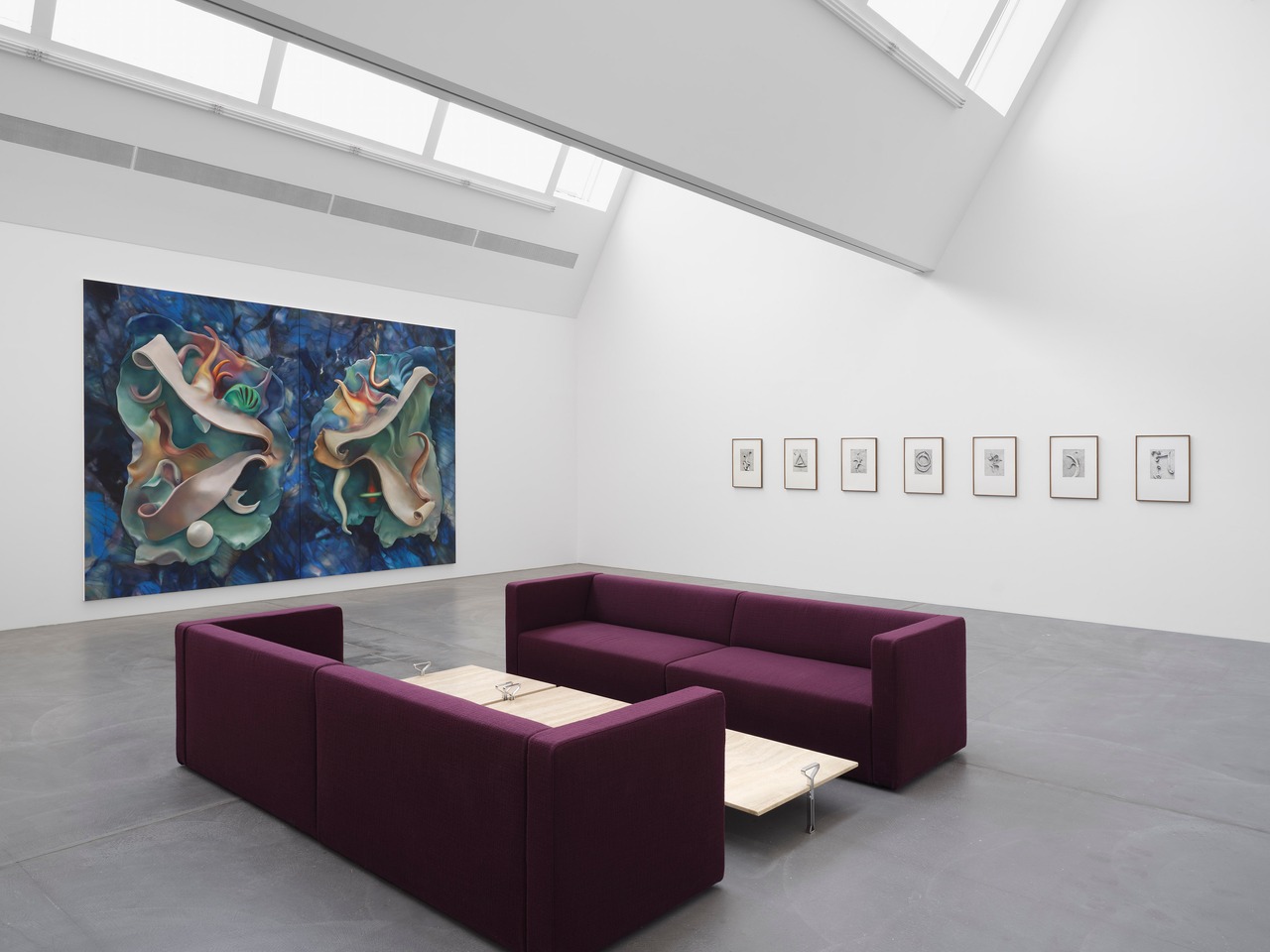
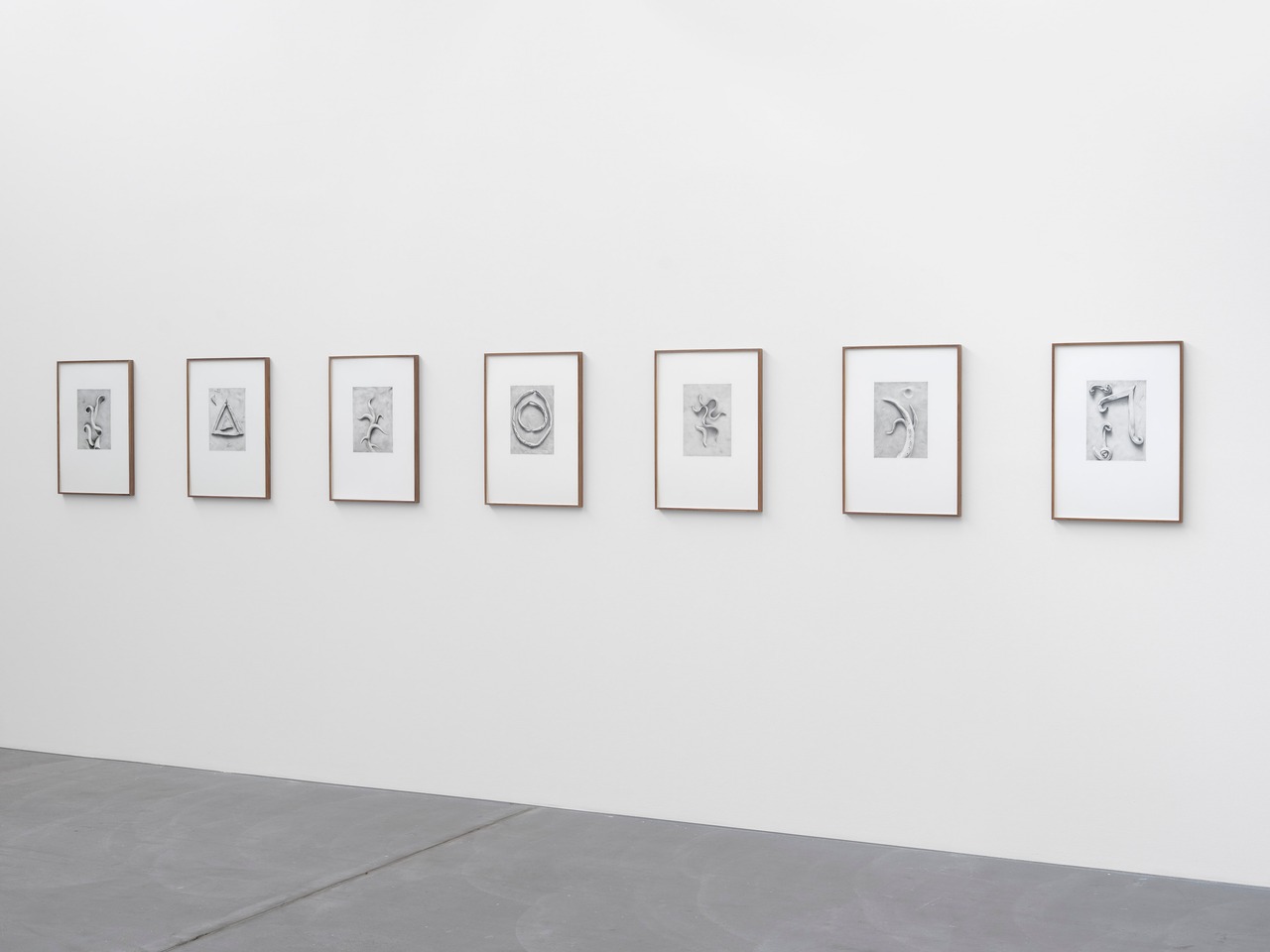
With his seven Untitled (Posthum Avalonian Studies), Sierra presents a series of pencil drawings of this kind for the first time. They are intimate explorations of forms and formless shapes that could be read as flutes, snakes, papyrus scrolls, or branches. Their elements are drawn from the large-format oil painting Bijna een vlinder next to them, adding another layer to this enormous diptych. The drawings are a further step following the grand gesture of the painting: a return to detail, a reduction to light and dark, an antithesis to the cycle’s apparent climax.
Finally, The Wait No. 3 marks a limbo, a waiting room, before a new cycle begins, a new idea manifests itself, and, step by step, takes shape. (cv)
Public Opening: Friday, August 28, 2026, from 5 to 8 pm
Extended Opening Hours for Kunsttage Basel: Fri, August 28, 2026, 11 am to 8 pm; Sat, August 29, 2026, 11 am to 6 pm; Sun, August 30, 2026, 11 am to 4 pm