Karim Noureldin – How I Became an Artist
by
von Bartha Team
When an artist offers a wide range of very differently conceived artworks, as Karim Noureldin does in his current exhibition “Tara,” it is usually worthwhile to take a look back at the beginnings. On the one hand, this allows us to explore the developments within the artist’s oeuvre, and on the other, to understand the possible motivations that have led the artist to his current practice. In Noureldin’s case, there are indeed clues in his early career that hint at his present interest in interior design and the grand gestures, as he explains in the following Q&A.
Karim, please tell us about your first encounter with art.
Being a teenager in the mid-1980s, I used to do long walks with my dog around my hometown Dübendorf and happened to bump into a converted farmhouse where an architect’s office organized art exhibitions. A red kayak was suspended high above the barn’s ceiling. Neither knowing the artist’s name nor having seen anything like this before, I was very impressed by the installation, and I still own the red catalog I was given back then, a book about the artist Roman Signer. That was my first encounter, out of nowhere, with contemporary art.
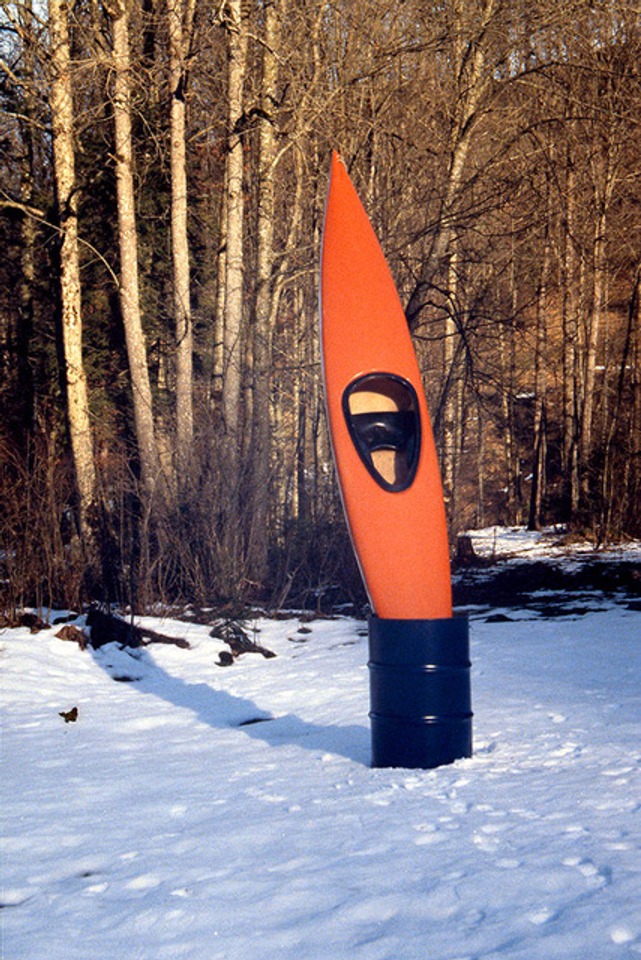
Roman Signer, “Kajak (Kayak),” 1988
Courtesy of the artist
Photo: Roman Signer
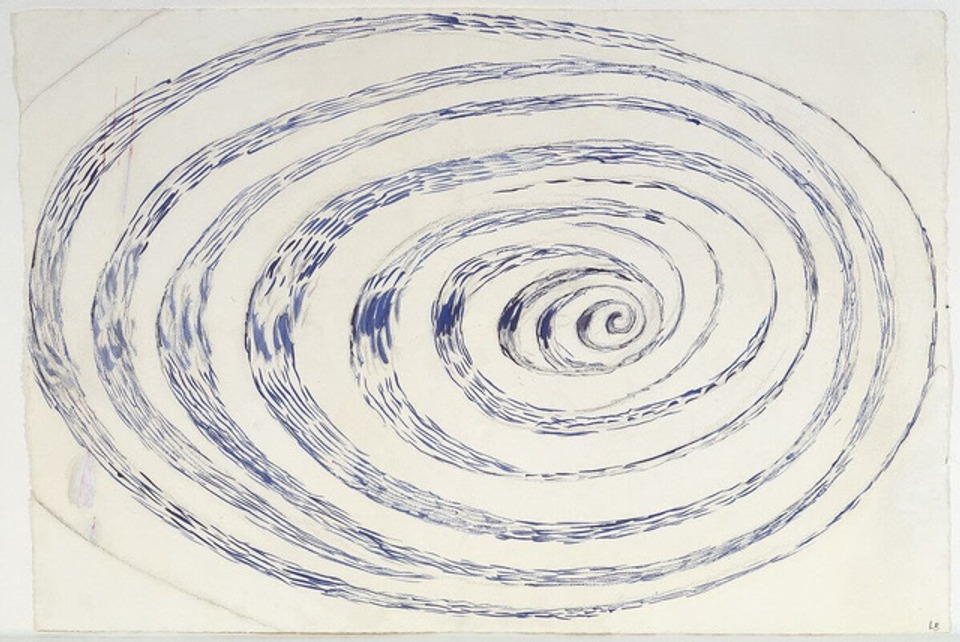
Louise Bourgeois, “Untitled,” 1970
Watercolor and charcoal on paper
Image courtesy of Hauser & Wirth
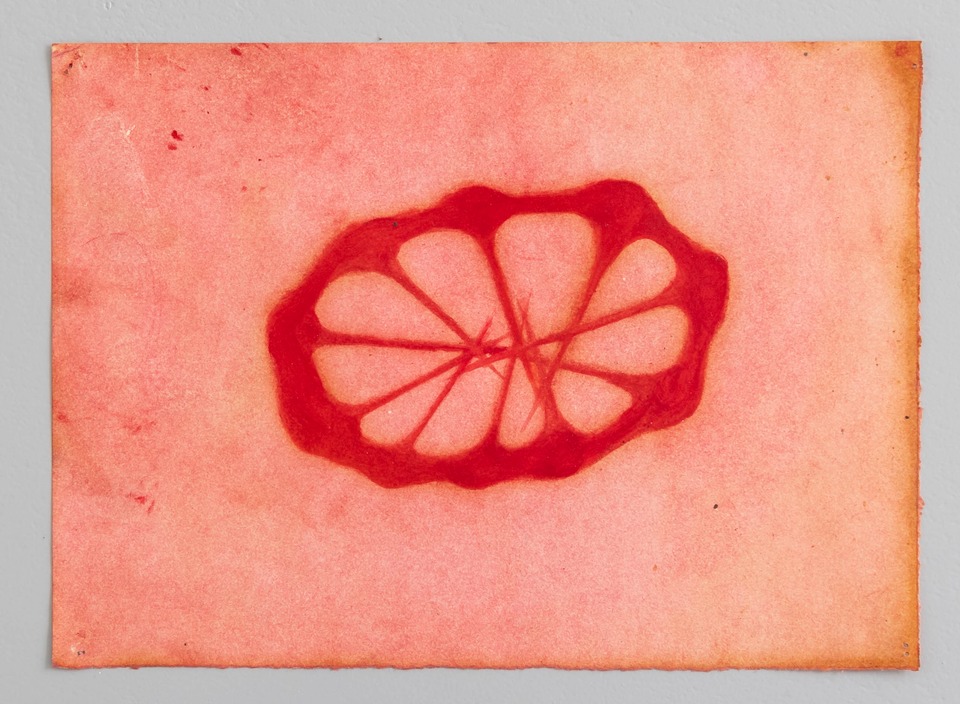
Karim Noureldin, “Untitled,” 1992
What made you want to become an artist?
I grew up in a culturally open home but art essentially was my own discovery and personal interest. I started to go to art museums all alone by myself, visiting each Saturday another place, be it an art or applied arts museum or a contemporary art gallery. I learned art in an autodidact way, just looking at and then learning more about it. I cant’ really tell you what made me want to become an artist or, why, all I know is: that still up to this day, its the only thing I really do well and want to do in my life. Since I was told early on it will be a rather difficult path and circled by uncertainty, probably nothing ever made me “want” but rather, it made me being an artist.
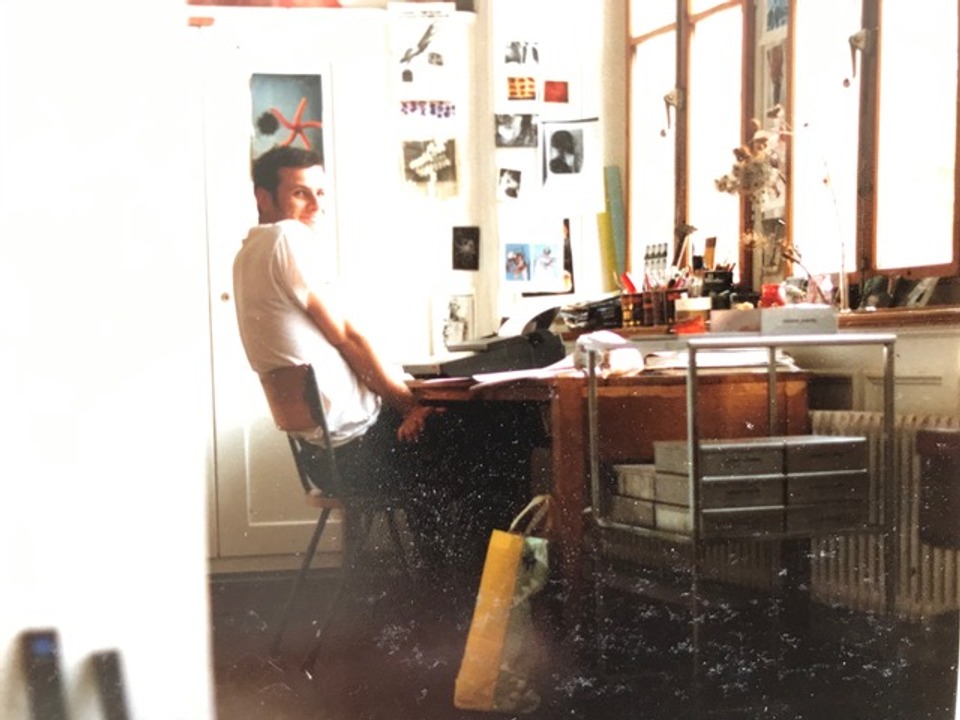
Karim Noureldin, while studying at art school.
Basel, 1993
Photo: Peter Staiger
To whom have you looked up and who inspired you, as a young artist?
I admired the work of dozens of artist’s, having seen a lot at a younger age. I saw early on shows by Louise Bourgeois, Richard Long, Martin Disler, Luciano Fabro and Blinky Palermo, all who influenced my own artistic development. But some artists inspired me as a human. Werner von Mutzenbecher was one of them. He gave me the chance to be in his class at art school in Basel at the age of 21. I will be ever thankful that he accepted me. A few years later a jury member, the late Marianne Eigenheer, gave me faith and confidence to receive an artist grant at the age of 23, still enrolled in art school and with little art practice yet, once I graduated, that small travel grant subsequently let me stay in the US for much longer, 8 years. There, I worked as a technician and art handler for the Swiss Institute in New York, meeting many artists and was also studio assistant to Christian Marclay and Not Vital.
One artist who really stood out as a reference always was Donald Judd. Having once seen an article in Domus magazine as a teenager, I visited his loft in New York just a few weeks after his death in 1994 having known his studio assistant Peter. Later I travelled with Judd’s daughter and son Flavin to Marfa long before the estate was made public, admiring a „Gesamtkunstwerk“ where one artist‘s vision went beyond art but included architecture, furniture, design and ideal settings to store, exhibit and preserve both an artist’s studio and home but also his personal collection as well as artist‘s friends work: There is probably nobody else who built and realised it like Judd did.
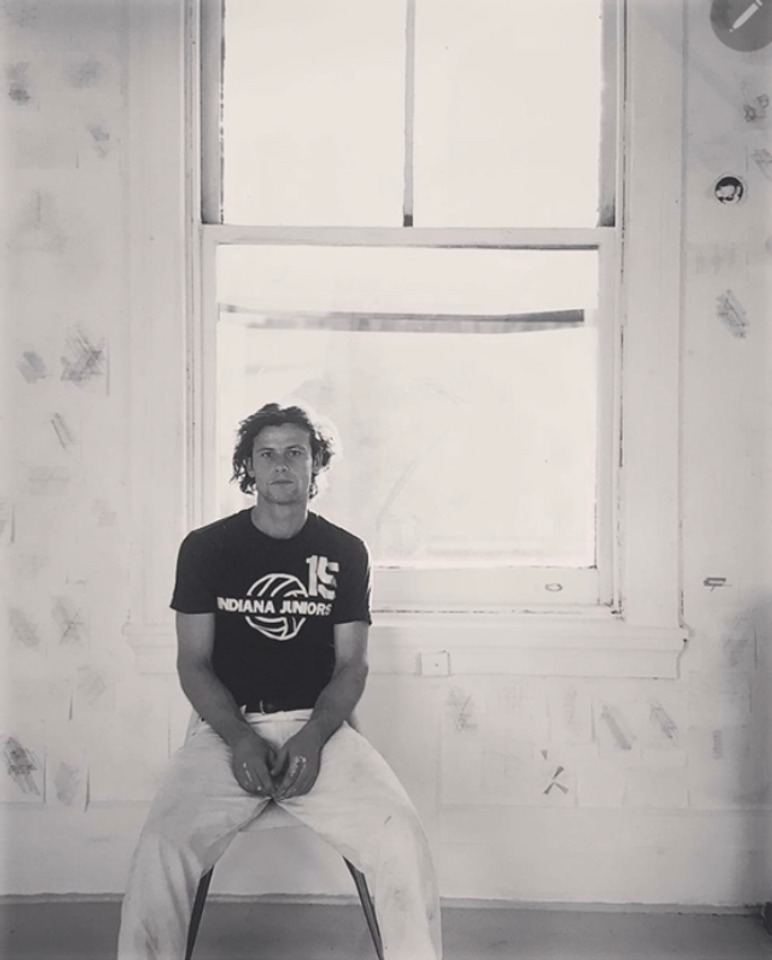
Karim Noureldin, New York, 1997
Photo: Carl G. Friedrich
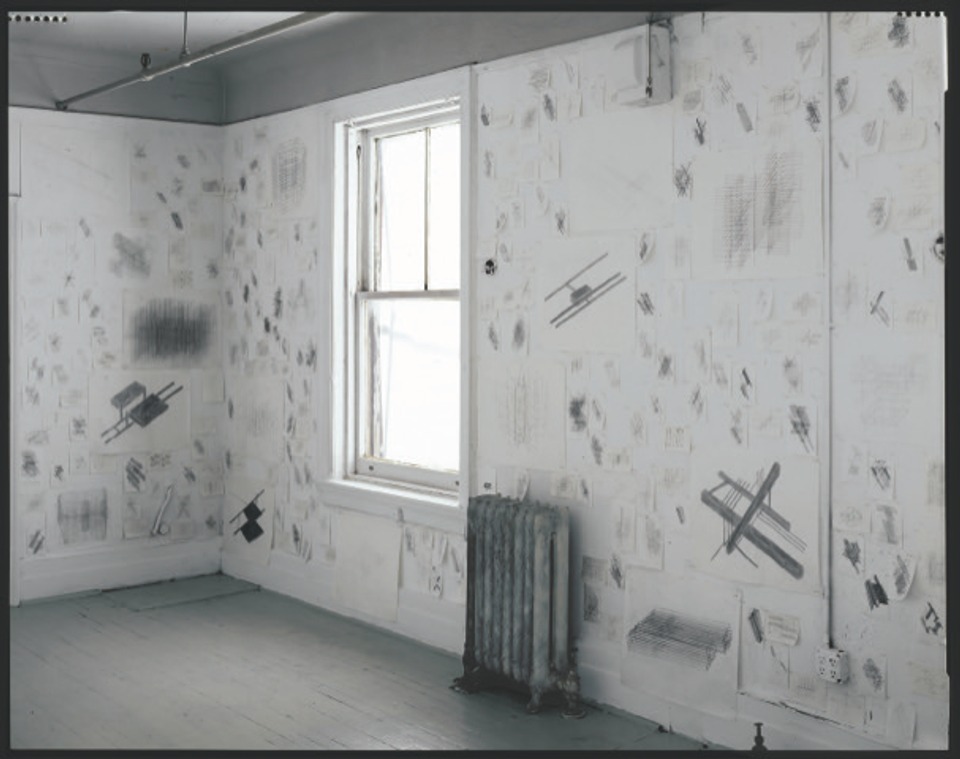
Karim Noureldin, “Untitled (Drawing Room),” 1997
Courtesy of Ricola Collection
Photo: Carl G. Friedrich
Tell us about what drives your creative process.
Passion, inspiration or an inner urge to work? One certainly needs passion and maybe an inner urge to work but this can be said to any vocation or activity…but what I do know, any creative process never has an end or a true beginning, neither offers the absolute truth but does give you, infinite answers.
What are the lessons you have learned and how are these still relevant today?
The best advice might be taken from text on a card I received by Japanese artist Tatsuo Miyajima. Describing in three sentences his work, it also can be interpreted on art and about life: “Keep changing. Connect with everything. Continue forever.”
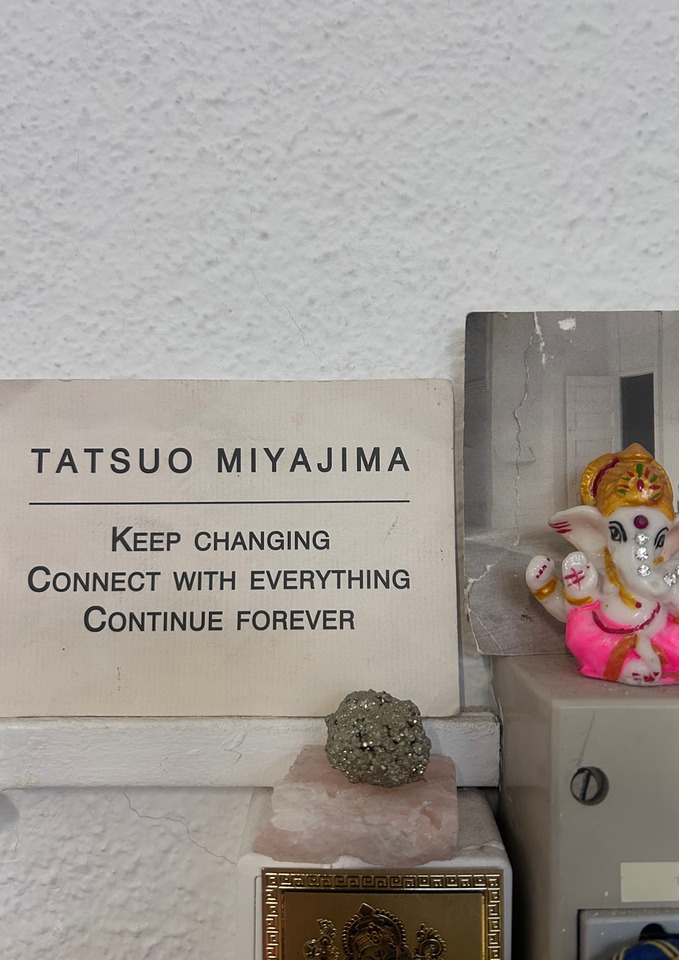
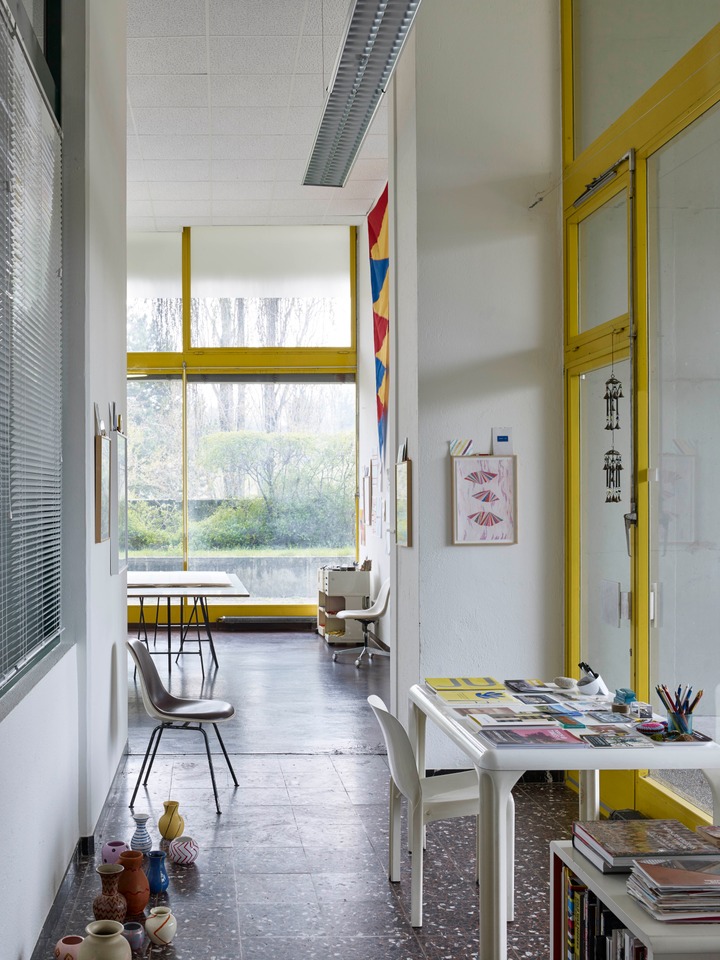
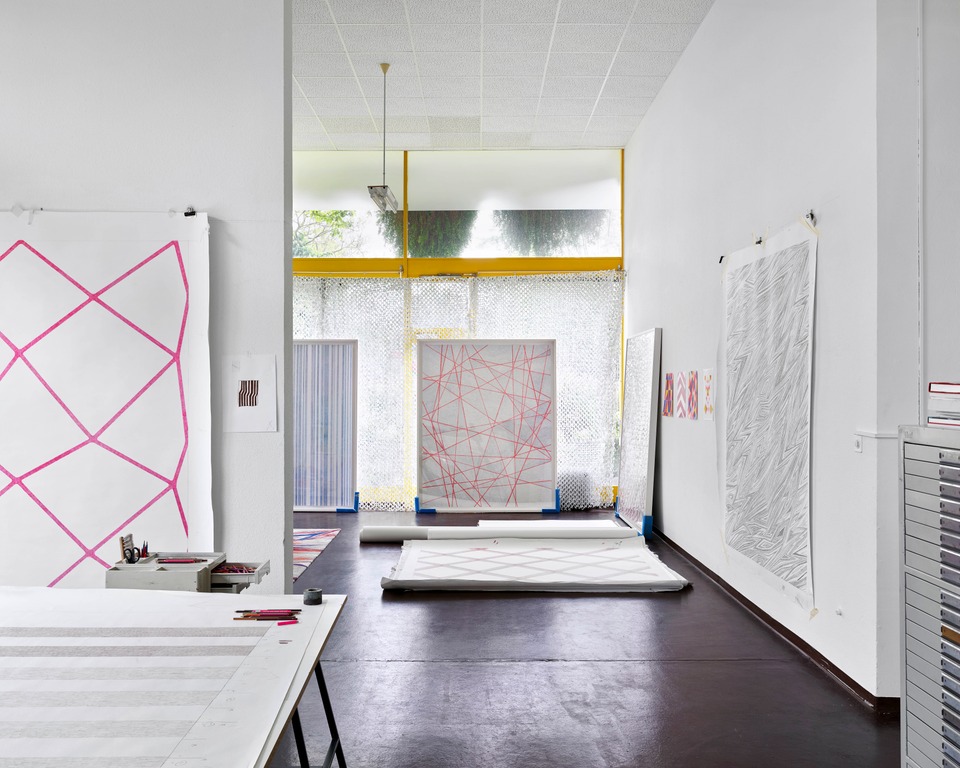
Studio Karim Noureldin, Lausanne, 2023
Photo: Karim Noureldin / Ariel Huber
What are the influences that flow into your work and practice?
Over the years, influences and practice never really changed and still lay the same foundation of my artistic work, up to this day. My practice is still rhythmic around what artist Elaine de Kooning was quoted as once saying about her partner, Willem de Kooning: “His days are very much like a farmer, very much the same thing everyday. That would drive me up the wall”. My work is also centered around my daily work in the studio where I simply do what I love: I work on new artworks. As of influences…it still comes down to art and crafts, space and objects, music and all what the world can offer…being a mix of two cultures myself, I probably always try to find balances between two influences in my being, identity and work, via non-representational, abstract and universal signs and, creations.
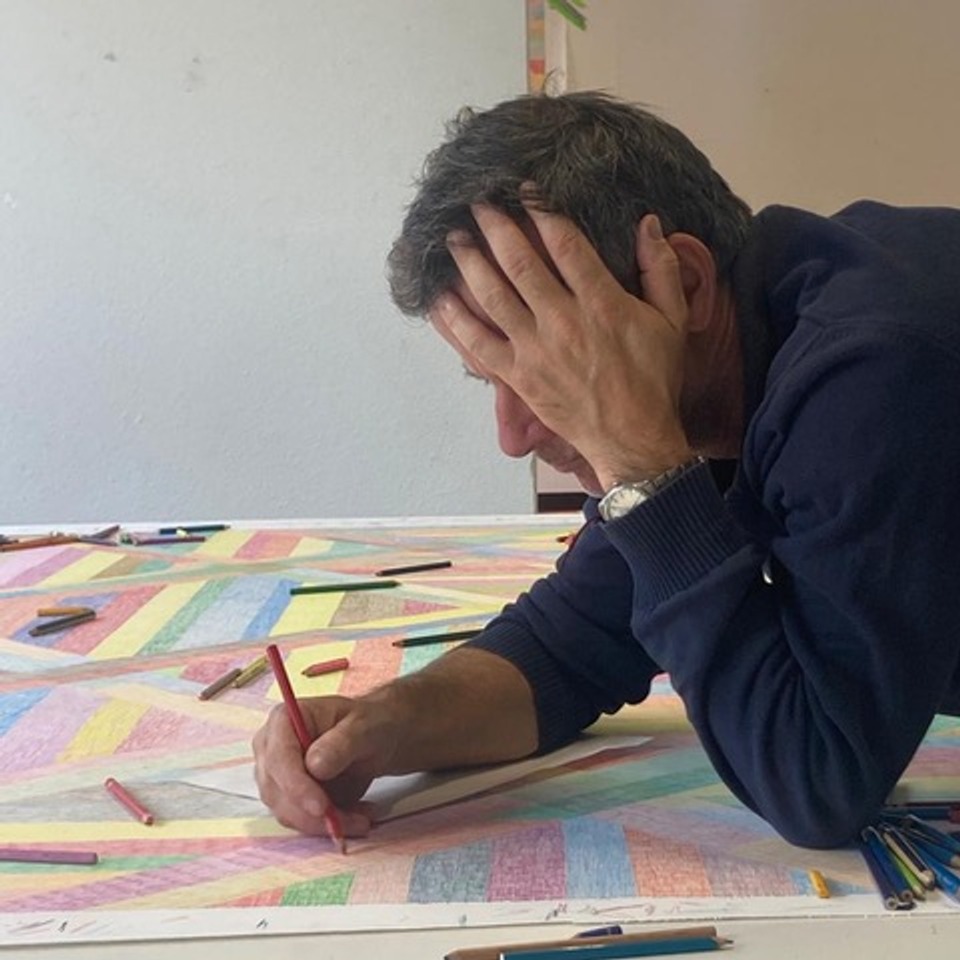
Karim Noureldin, working in his Studio, 2023
Photo: Zélie Noureldin
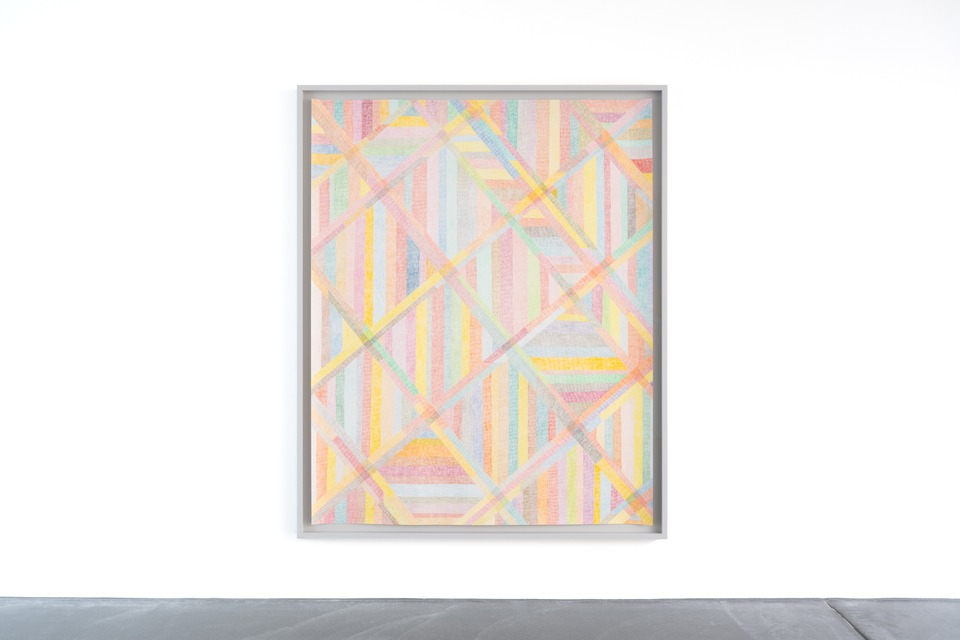
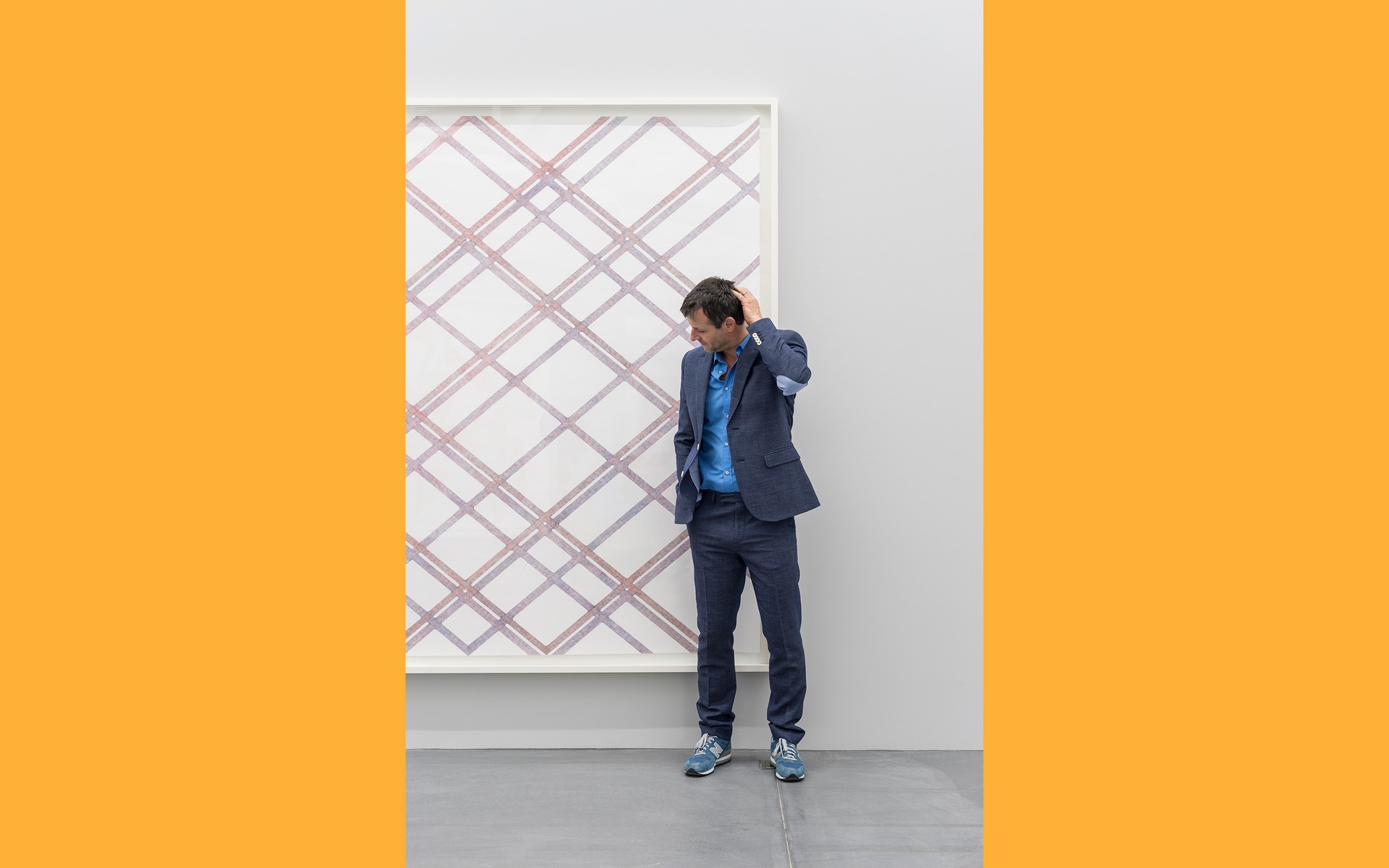
Karim Noureldin
“Brea,” 2025
Coloured pencil on paper
204 x 164 cm
Photo: Finn Curry
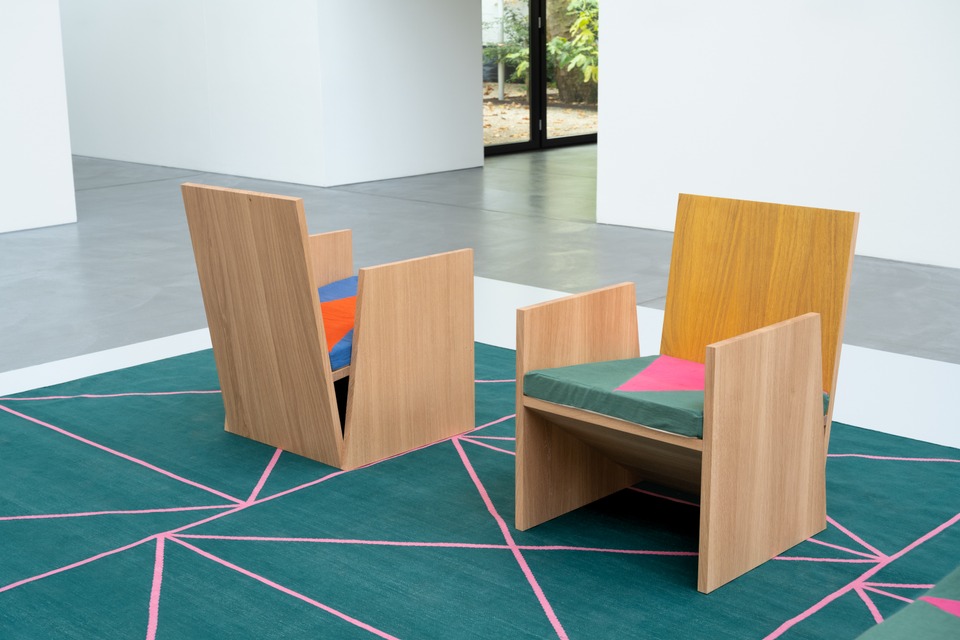
Exhibition view, “Tara", at von Bartha, 2025.
Photo: Finn Curry
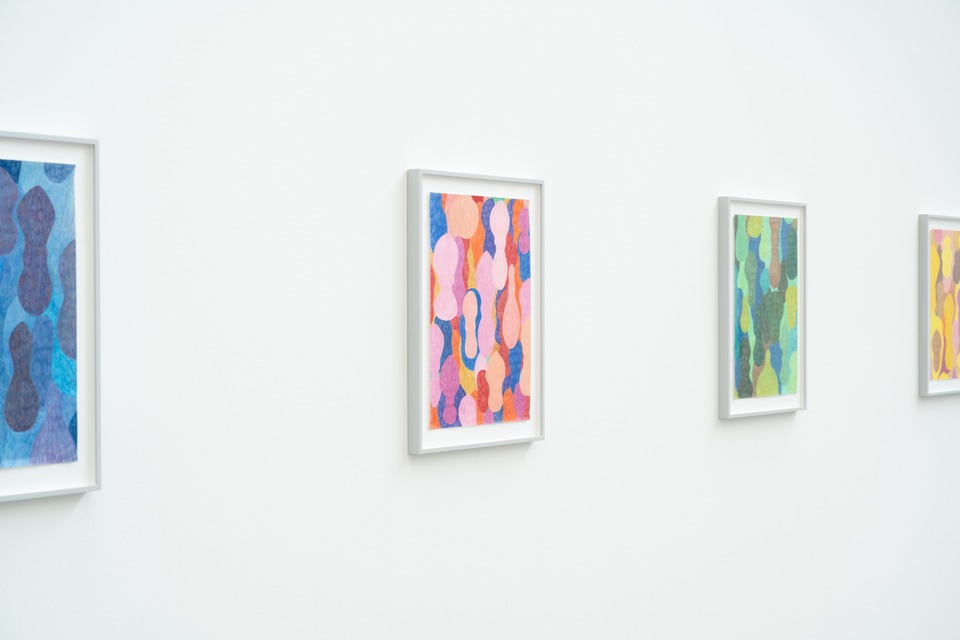
Installation view, “Iktara,” 2025, at von Bartha, 2025
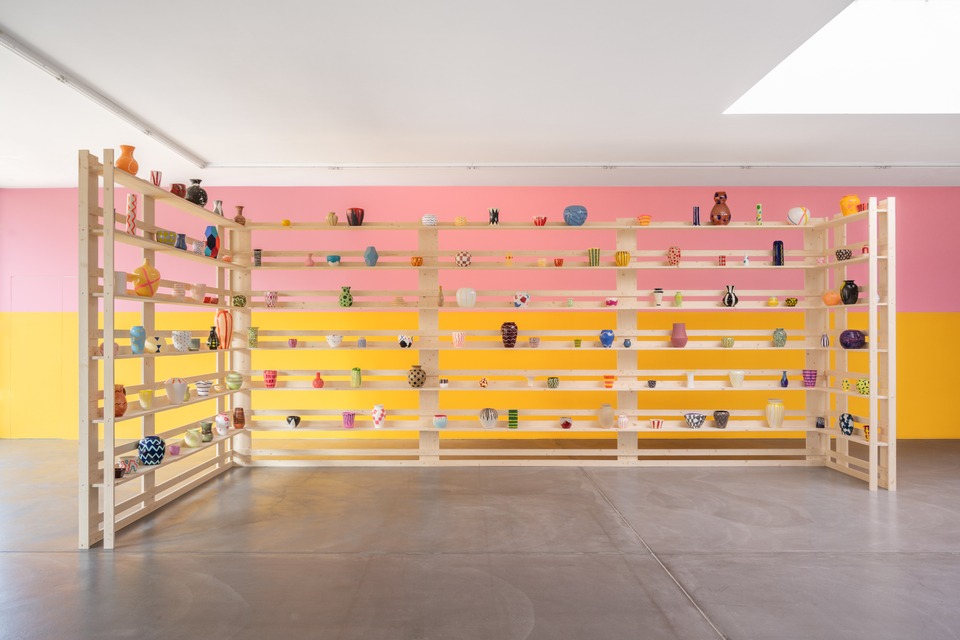
Installation view, “Naq,” 2025, at von Bartha, 2025
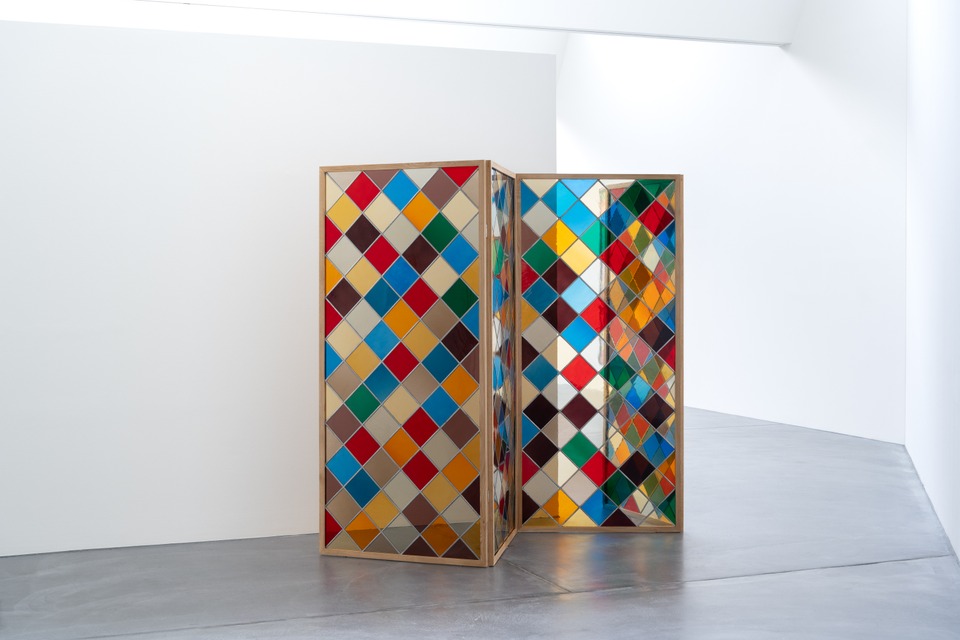
Installation view, “Linr,” 2025, at von Bartha, 2025